Chico’s Corner
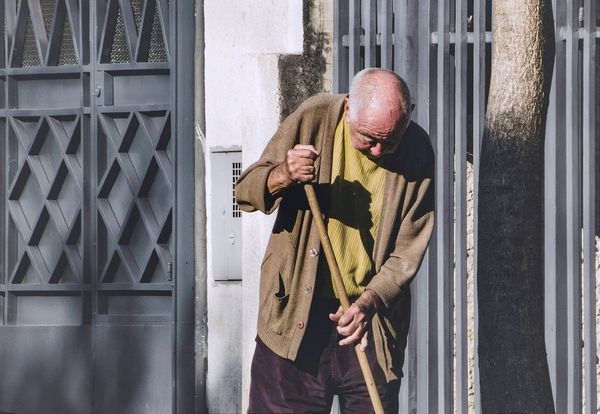
A janitor was still a janitor. He was also a poet. Good systems hold people accountable for the work they do, all while staying curious about who else they may be.


A janitor was still a janitor. He was also a poet. Good systems hold people accountable for the work they do, all while staying curious about who else they may be.

The Cult of the Special begins when "specialness" status is granted before any comparison. It flatters, protects ego, blocks root cause analysis, and turns recurring patterns into sacred exceptions.

Organizations often reward visible rescue more than invisible prevention. A Systems & Soul essay on recognition failure, hero culture, operational competence, and why stable systems quietly become fragile.
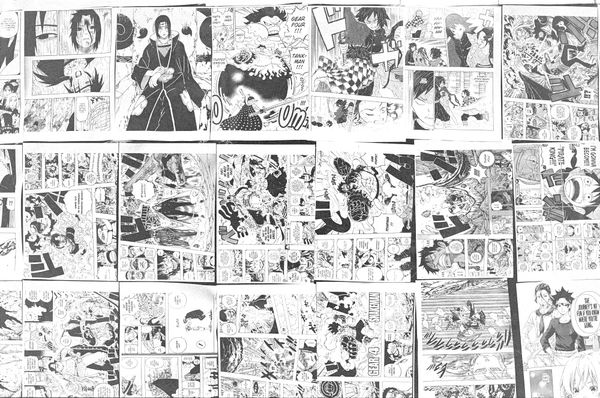
Children need books they do not have to report. A reflection on comic books, free reading, school reward systems, and the private interior life where readers and future selves begin to form.
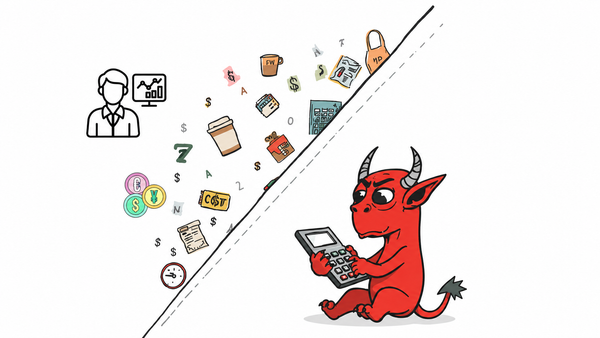
False efficiency begins when systems measure the wrong unit. The Demon Denominator explains how cost savings, make-work, and design failures hide inside bad denominators.

Communities keep asking why teenagers misbehave in malls. The Dutch hangplek answers why adolescent mischief needs legitimate civic infrastructure containers to prevent disorder.
Most corrupt institutions have a handler, the role that preserving institutional shields over the truth. Handlers build plausible deniability in layers and keep corrupt arrangements alive by diffusing blame and protecting the inner circle.
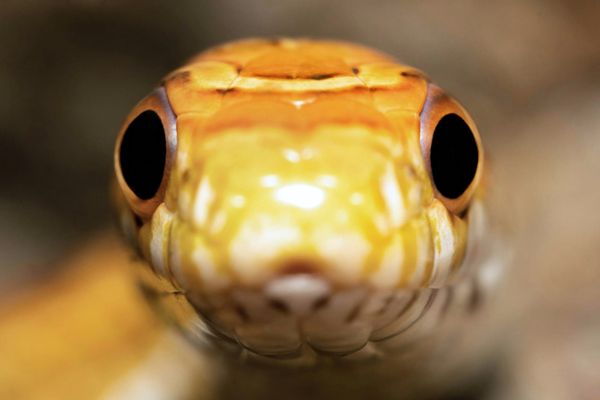
From willow whip tag and haylofts to a corn snake on a New York metrobus, a small-town girlhood returns in one strange, calm moment of recognition.

Bloomberg says CEO age is rising. But age is just the easiest variable to narrate as change. Gender tells the harder story: power remains overwhelmingly male.

What if fawning is not only a trauma response, but also one of the ordinary disciplines of modern life, trained early, rewarded often, and mistaken for maturity?
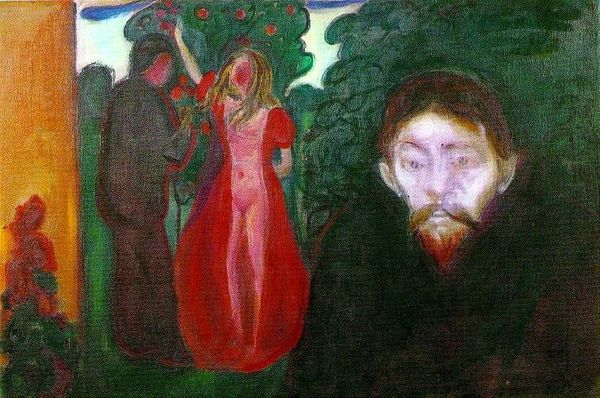
Jealousy is usually treated as a moral flaw. But sometimes it is a clue. This essay looks at lust, status desire, and the relational field between the jellor and the jellee.

Afroman's case isn't just about freedom of speech, but also whether citizens may use art to audit public power, and whether the state has any duty to repair the damage it causes.