SYSTEMS IN ACTION ·
A growing library of real-world scenarios examined through a systems lens. Each Systems-in-Action entry surfaces the pattern beneath the moment and the structural forces shaping outcomes.


Examples from the Playground of Life
Systems-in-Action is a recurring series of short takes, examining how ordinary moments uncover the deeper mechanics of modern systems — across workplaces, families, institutions, and post-industrial economies. Each microanalysis starts with a specific scenario and applies structural reasoning to reveal the incentives, drift patterns, and architecture beneath it.
Forced Featurization: When “Off” Doesn’t Stay Off | Systems in Action
Forced Featurization Forced featurization is the recurring pattern in which a system reasserts a vendor’s preferred defaults, pathways, and behaviors even after an explicit refusal. Consent is treated as temporary and “off” is treated as a momentary preference, not a durable decision.
 Madonna Demir
Annoyance as Baseline: Subscriptions Everywhere
A new car that can’t be unplugged. A washing machine that texts. A snipping tool that won’t run until it “validates.” When core functions become clients of the cloud, annoyance becomes baseline, and reliability becomes a luxury.
 Madonna Demir
Systems in Action: Campus Monetization and the Perimeter Play
Universities facing a demographic cliff are monetizing the perimeter through P3 deals, vendorized student life, and campus advertising. The hidden cost is cognitive: when interstitial spaces become attention surfaces, cross domain synthesis collapses quietly.
 Madonna Demir
Hall of Wisdom | How Institutions Preserve Competence
An employer had a Hall of Wisdom: a corridor of offices for retired engineers, a formal honor. When design cycles got thorny, we didn’t file tickets or schedule consults. We walked to visit our elders. Time and again.
 Madonna Demir
Vendorization and Asymmetric Fragility | Systems in Action
A real-world case study in vendorized infrastructure. When vendors capture demand but externalize failure, asymmetric incentives quietly produce fragility.
 Madonna Demir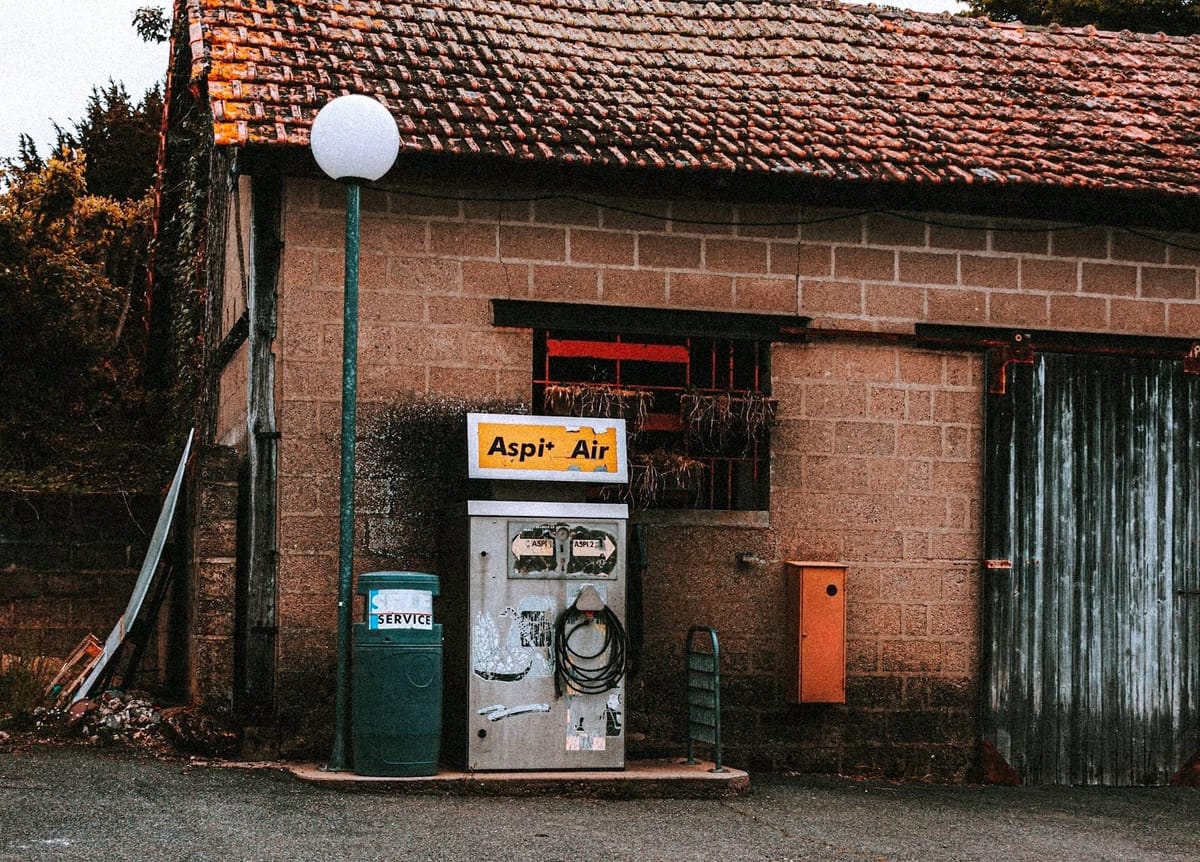
Why Tennessee’s LED Speed Signs Create New Hazards
Tennessee’s new LED speed-limit signs were meant to modernize safety. Instead, they break long-established cue structures and misalign with human perception, creating new hazards. A look at how dynamic interfaces fail when behavior and context remain static.
 Madonna Demir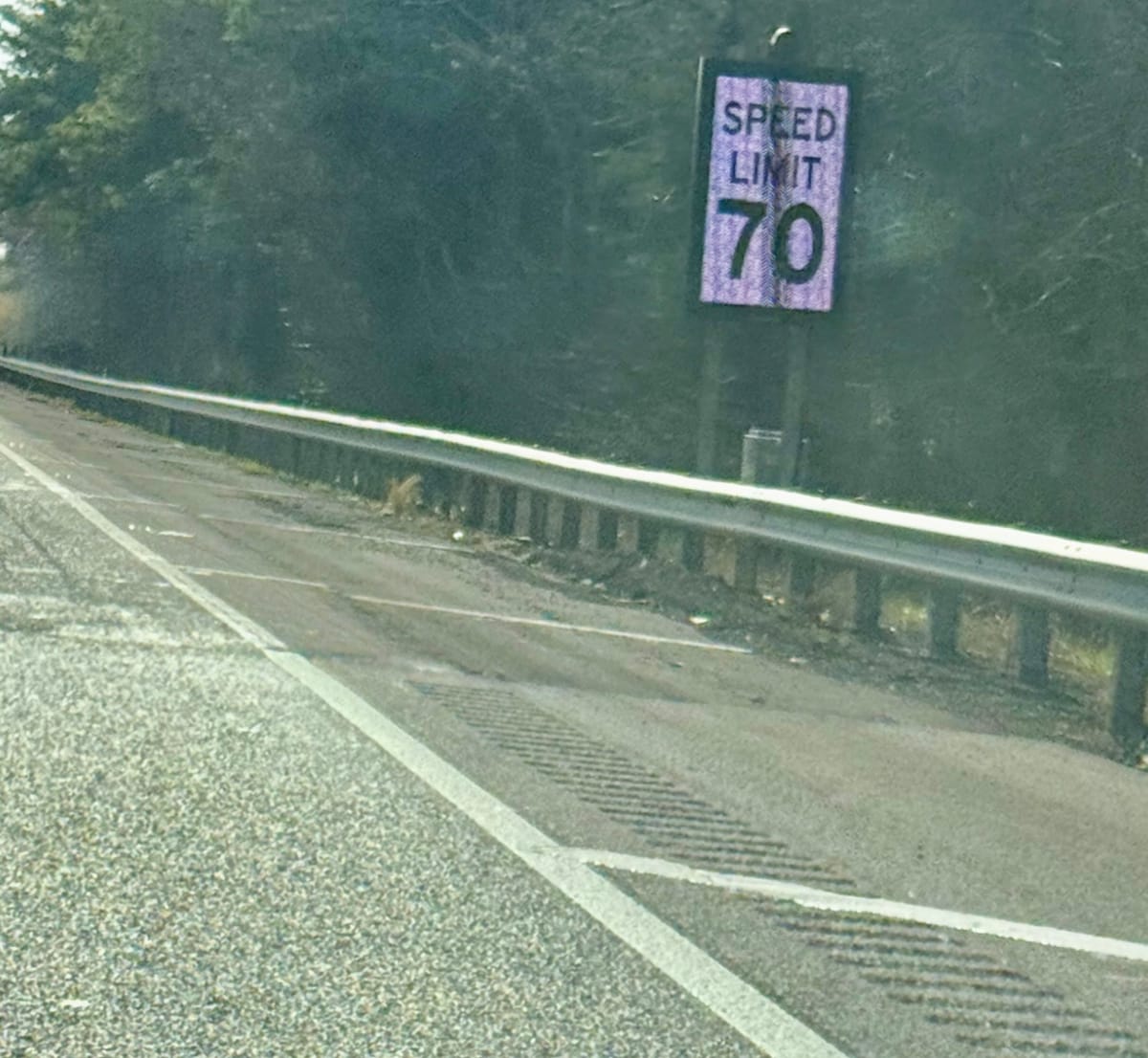
Export Controls, Shadow Chains, and Collapse of Traceability
When traceability breaks, containment fails. Export controls risk creating shadow chains, opaque vendor swaps, and unpredictable failure loads. This SIA maps how added layers meant to increase safety instead accelerate system fragility.
 Madonna Demir
SYSTEMS IN ACTION — The Gen Z Stare
Gen Z grew up fluent in emotional labor; they know what it costs to perform enthusiasm on command, and if their wage doesn’t merit it, false cheer feels like a bridge too far.
 Madonna Demir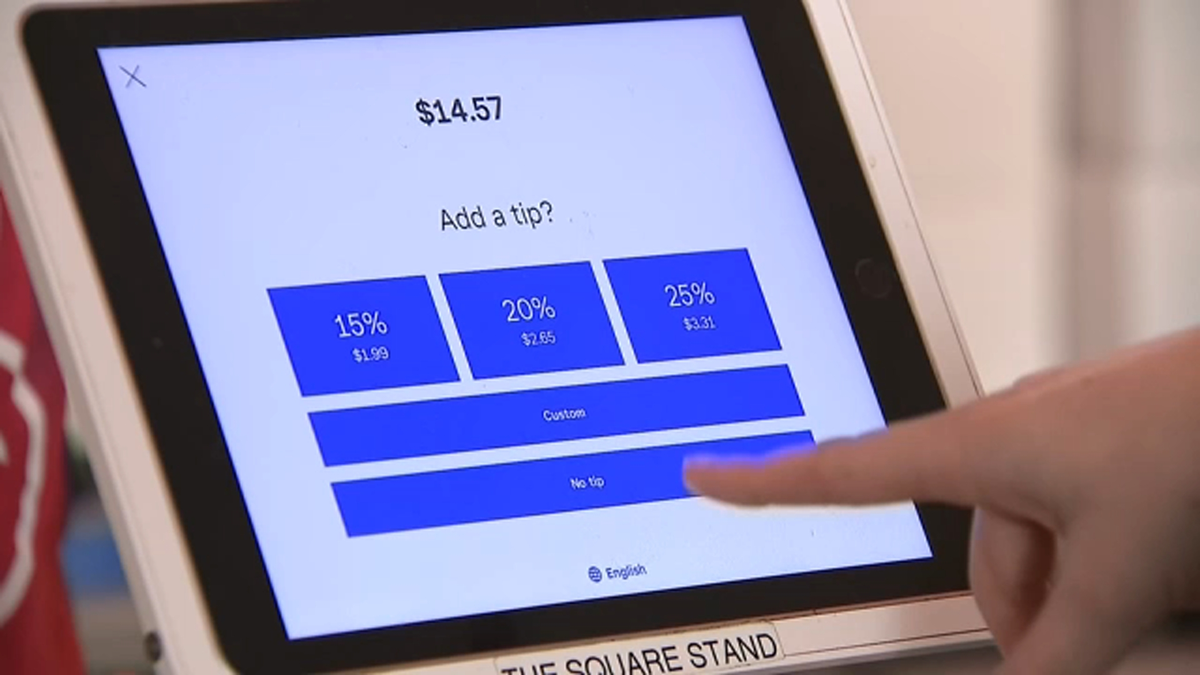
SYSTEMS IN ACTION — Breaking the Frame
A real-world example of frame inversion. Cynthia recognized a dominance tactic, matched the pattern, and restored equilibrium in the room. A Systems-in-Action breakdown of how pattern recognition and structural fluency override intimidation.
 Madonna Demir
SYSTEMS IN ACTION — Family Estrangement
Reconciliation often fails at the first move. Shame makes emotional outreach intolerable. This guide shows how small, functional steps reopen the path back. Systems-in-Action.
 Madonna Demir
How to Tell If You’re Stuck in a Bullshit Job
A straight, unflinching look at bullshit jobs: why some roles drain you, why the system needs the theater, and how to spot the risks before your skills hollow out. A human-scaled guide to value, dignity, and the first step toward real work.
 Madonna Demir