SYSTEMS IN ACTION · Afroman, Audit, and the Duty to Repair
Afroman's case isn't just about freedom of speech, but also whether citizens may use art to audit public power, and whether the state has any duty to repair the damage it causes.

Afroman’s Win, and the Right to Audit Power with Art
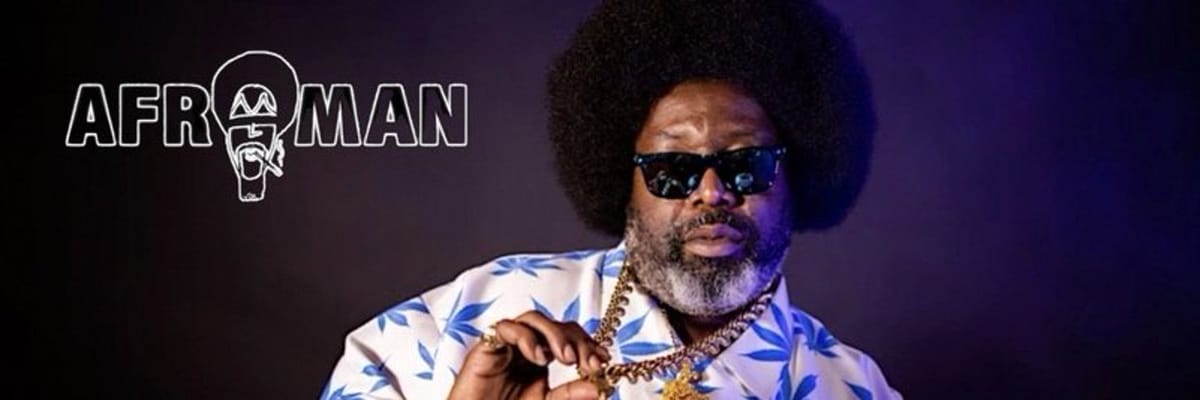
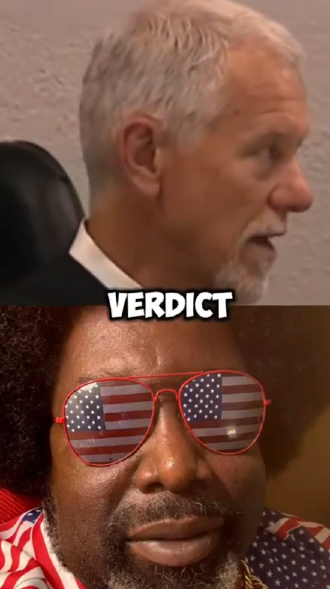
Joseph Foreman, known as Afroman, won a court victory on March 18, 2026. A jury rejected all claims brought by seven Ohio sheriff’s deputies over satirical songs and videos he made after a 2022 raid on his home.
The deputies had sued for $3.9 million dollars over defamation, false light, and related claims after he used his own home-security footage in tracks such as Will You Help Me Repair My Door? and Lemon Pound Cake. The jury found for Afroman on all 13 counts.
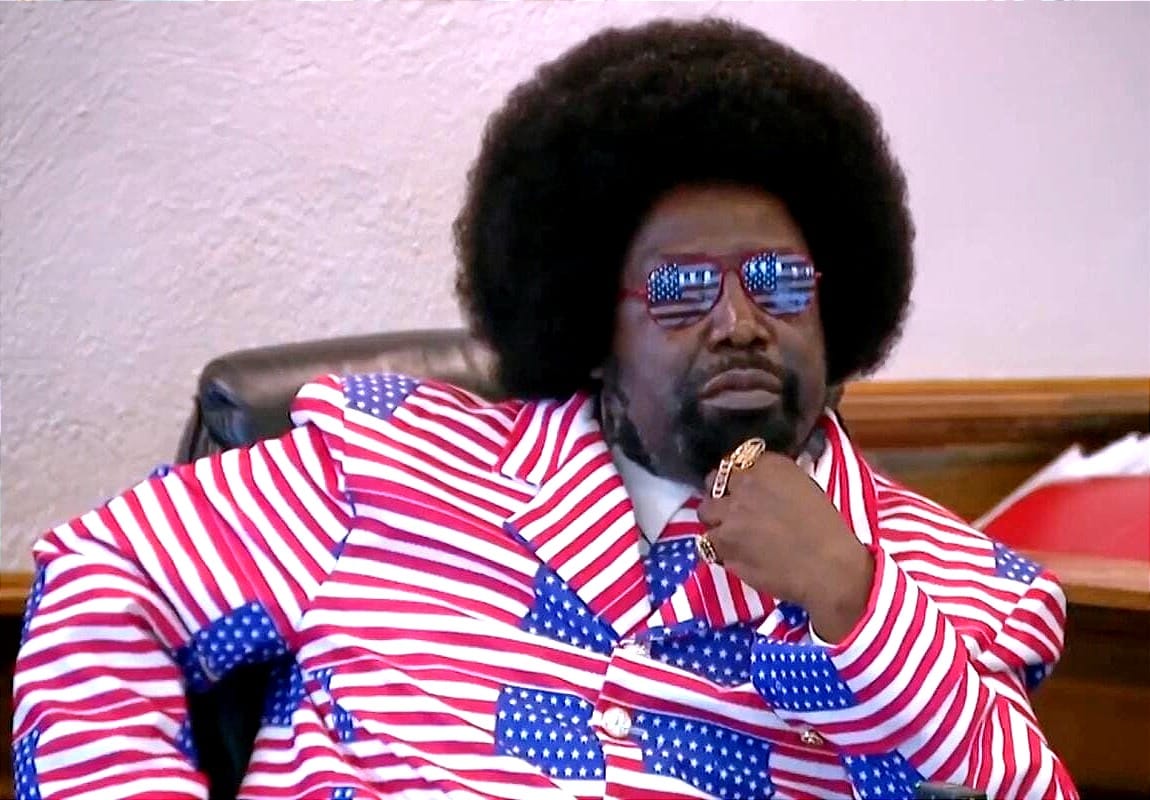
I didn't win, America won. America still has freedom of speech. It's still for the people, by the people.
The Victory Cry and Systems
His win matters as a systems case, not just a speech case. Afroman himself celebrated it that way outside the courthouse, calling it a win for America and for freedom of speech.
The song Will You Help Me Repair My Door?
First, hurt feelings are not the threshold for public harm. The deputies argued that the songs and videos humiliated them. The jury rejected their claims. Public officials do not get to convert embarrassment into censorship just because the criticism is musical, funny, or widely shared.
After they run around my house with guns and kick down my door, I got the right to kick a can in my backyard, use my freedom of speech, and turn my bad times into a good time.
Accountability Gap and Duty to Repair
The second lesson is about the accountability gap. The failed raid produced no charges, but it did produce property damage as a result.
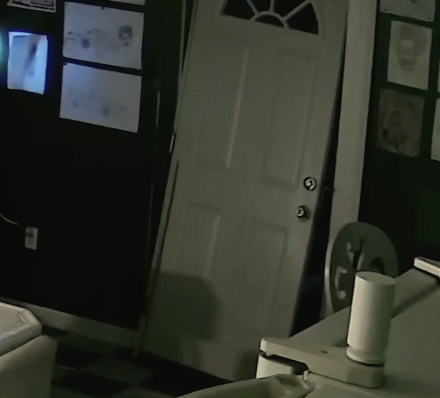
During trial, Afroman testified that the raid was a mistake and that, had it not happened, there would have been no songs and no lawsuit. He also said he made the songs in part to cover the damage done to his property, including his broken door and broken gate.
Additionally, there is an alleged missing $400. Afroman testified that the deputies seized cash from his home and returned it $400 short. The missing cash mattered because it showcased another discrepancy.
Afroman kick-started a new conversation on civic duty. So, this is our civic question: When the state enters wrongly and leaves damage behind, who bears the duty to repair?
Surveillance as a Two-Way Mirror
Third, in our scaling up of surveillance, many of us have become meeker. Afroman's example instead emboldens us.
The police used surveillance to raid him; he used the same surveillance to audit them. The footage documented the event, then the very same footage became art. This art became a legal test of whether citizens may publicly audit and use public audience to reinterpret the conduct of power. The answer, here, was yes.
The system invites us to retreat—to become like the background, invisible and silent. But Afroman’s bold songs shift the normative reference from 'hiding' to 'auditing.'
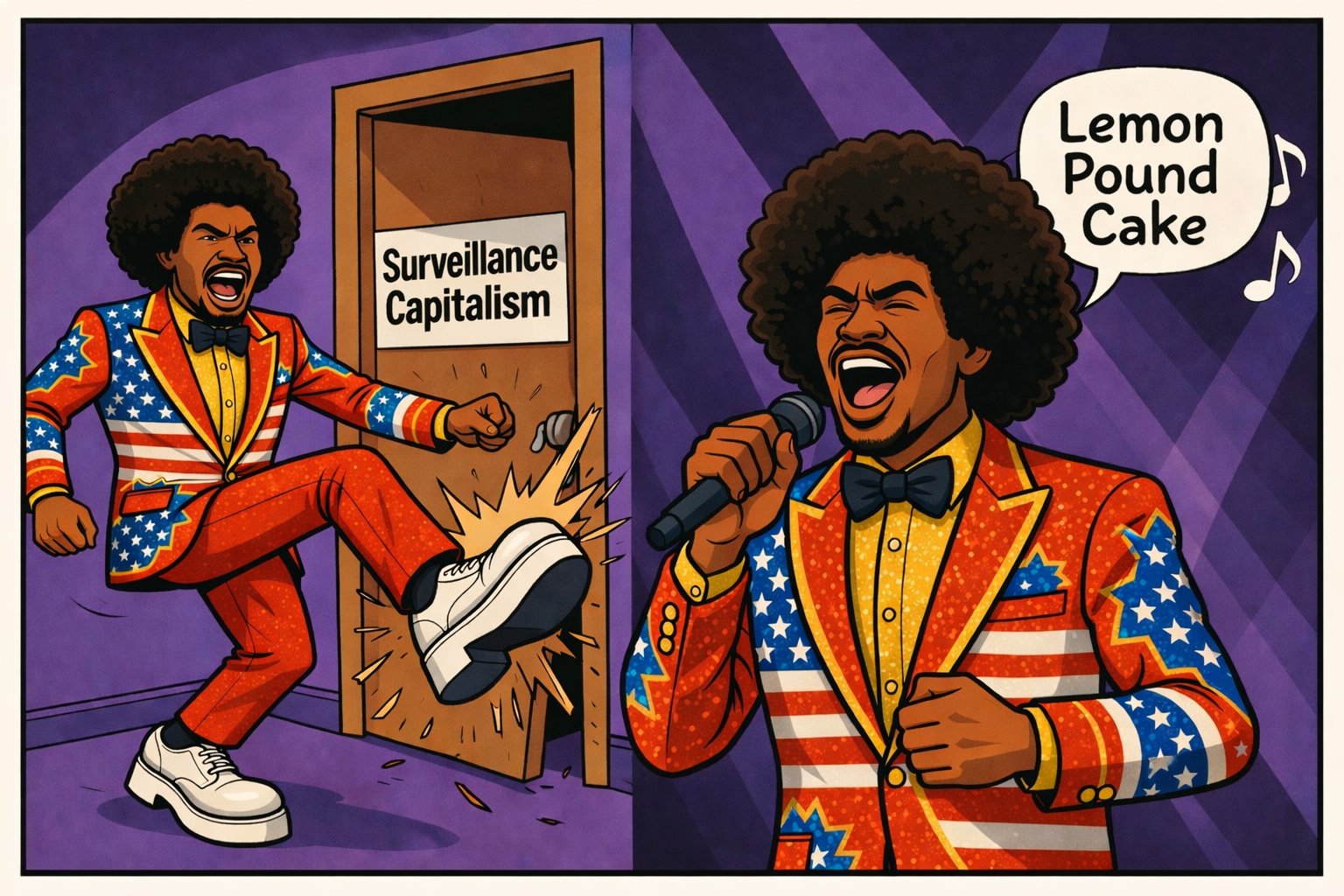
The image that remains is comic and exact: Afroman kicking in the door of surveillance capitalism in white platform shoes, then breaking into song, singing Lemon Pound Cake.
The Magnifier Effect
One final point: the irony of trying to punish the victim is that the punishment often widens the audience. I had never heard of him until his lawsuit. I played his recent song, cracked up at the phrase Lemon Pound Cake in the song "Will You Help Me Repair My Door" and then realized he had a whole second song called exactly Lemon Pound Cake. So, the would-be-punishers basically just widened his audience to millions of new people like me.
Song 1: "Will You Help Me Repair My Door?"
Song 2: "Lemon Pound Cake"
The Lesson: The attempt to suppress the first song created the demand for the second.
Afroman admitted his follower count exploded specifically because the officers sued him. The punishment became the promotion.
This is a feedback loop that backfires. Afroman didn't just make the information more visible; he made it profitable and entertaining. He did not just preserve the record. He made it travel.
By trying to "punish" him for using his own security footage, the sheriff's office essentially acted as his own personal marketing department. They took a localized incident in rural Ohio and, through the lawsuit, pushed it into the global conversation where people like us—who had never heard of him—suddenly became part of his defense fund by simply clicking "Play."
The "Walmart" Moment and The Bridge of Forgiveness
And finally, he models a useful distinction: forgiveness without erasure.
The deputies' lawyer argued that the officers' families couldn't even go to Walmart without being ridiculed. Following his win, an officer came up to him and apologized. Afroman said, "No hard feelings – when I run into you at Walmart, we good. But I'm still playin' my song." This seems like a healthy bridge of forgiveness combined with recognition of the realities which occurred. His songs brought a sense of humor to what must have been a painful situation.
Afroman’s response—"No hard feelings... we good. But I'm still playin' my song"—is a profound example of Systemic Forgiveness. He forgives the human, but not the systemic failure. That is a healthy boundary. The song keeps playing, and the record stays intact.
See more field tests → Systems in Action
 Madonna Demir