SYSTEMS IN ACTION · The Hall of Wisdom
An employer had a Hall of Wisdom: a corridor of offices for retired engineers, a formal honor. When design cycles got thorny, we didn’t file tickets or schedule consults. We walked to visit our elders. Time and again.

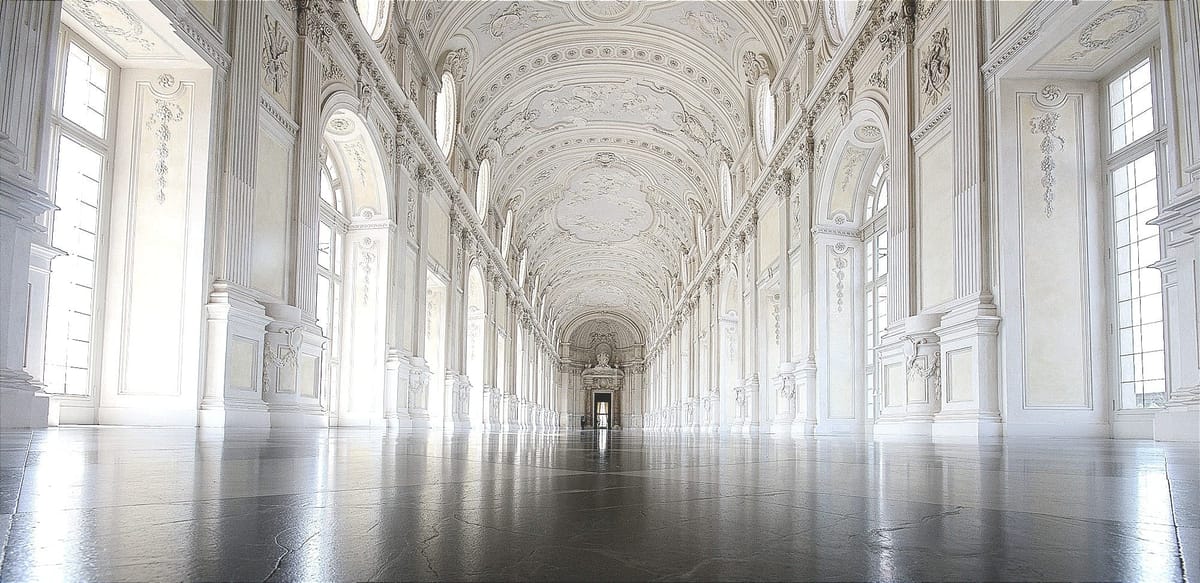
An employer I worked at had what they called a Hall of Wisdom. It wasn’t a metaphor. It was a real hallway, a physical corridor of offices, each one assigned to a retired engineer or organizational elder who had been selected into a kind of internal canon, a formal honor at retirement.
Hall of Wisdom, How it Worked
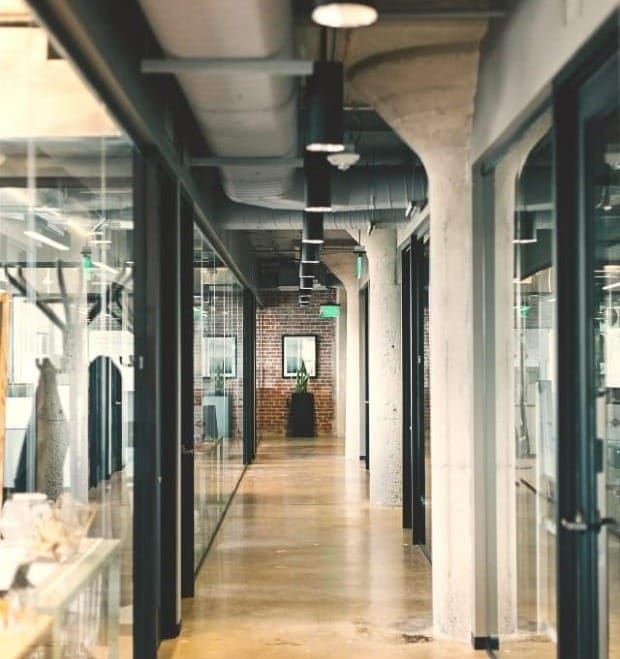
When they left the payroll, they did not leave the building. Retirees given this honor kept an office for life. There was no salary attached to it, which is important, but there were rights. A reception desk. Administrative support. A fully outfitted office with a computer, a whiteboard, a desk, and a seating area that implied conversation. The institution built a small, dignified place where competence could persist without being forced to justify itself in quarterly terms.
Here’s the cool part which still sticks with me, because it confounds the modern story we tell about work and aging. They came. Most of the retirees came daily. They reported to the Hall the way they had reported to their old jobs, arriving around 6:30 or 7 a.m., staying until 3 or 3:30, and doing it again the next day and the next. Not because anyone demanded it. Not because they were being paid. Because the system had preserved the conditions under which they felt useful and recognized. In most corporate narratives, retirement is a finish line and a reward. In lived reality, retirement is often a sudden vacuum.
The Hall of Wisdom was an institutional answer to that vacuum, and it was more practical than sentimental. It recognized that expertise does not evaporate when employment ends, and that many people do not actually want infinite leisure. They want a place to matter.
Engineering Problems, Wisdom-led Solutions
We, the current engineers, knew where to go when things got hard.
When a design cycle became thorny, or CAD drawings refused to reconcile, we drifted toward that hallway. We didn’t schedule a consultation. We didn’t file a ticket. We walked, because the return path was built into the layout and the culture of the team. They would convene into the first office we entered. The elders would pore over the drawings with a kind of gritty attention. They would ask questions and talk to us and do the work that only seasoned people can do: zoom out without losing the details, notice what the younger engineer is not yet trained to notice, name the failure modes before they metastasize, and distinguish a real flaw from a nervous overcorrection. I assume there were NDAs and IP releases behind the scenes, some formal scaffolding that made it safe for work to cross the boundary between “employee” and “retiree.” Their badge access was limited to their hallway. Ours worked both ways. The visible structure was simple: a hallway of competence you could walk into. And we did. Time and again.
In systems terms, the Hall of Wisdom was a competence-preservation mechanism that required almost no extra process. Modern organizations spend enormous effort trying to capture knowledge in documents, wikis, and handoff decks that quickly become dead matter. They are not wrong to try. They are wrong to believe that competence is primarily a content problem.
Competence lives in perception. It lives in pattern recognition, in the ability to see the shape of a situation quickly and tell you which details are signal. It lives in the quiet confidence to say, “this part is noise,” and in the courage to say, “this is the real crack,” when the room is busy polishing something else. The elders had no politics to bear and no knowledge of upper management’s favorite solution flavor of the moment, so they were especially attuned to real problem-solution flow. You cannot store that in a SharePoint folder and expect it to be retrieved on demand. But you can store it in a human being and then design a path back to that human to activate when the system needs them.
Happy Life, the Home Side of the Loop
The Hall also solved a problem that institutions rarely name, because it sits in the private domain. Many of the retirees said their spouses were happier too. That line could be dismissed as a throwaway, but it reveals the hidden coupling between the work system and the household system. A person who has organized their identity around being useful does not always become easier to live with when the usefulness evaporates.
They can become restless, critical, or adrift. They can turn their unused attention into scrutiny of the nearest available subsystem, which is often the home.
The Hall of Wisdom prevented that drift by giving the retiree a non-transactional role with boundaries, dignity, and a daily rhythm. It was not just a benefit to the company. It was a stabilizer for the larger ecology around the employee, a kind of quiet social infrastructure that kept a capable person from becoming a free-floating disruption.

There is something almost offensive about how rare this feels now. We have normalized systems that discard elders while simultaneously complaining about skill shortages, institutional fragility, and quality failures. We have normalized “consulting” as a monetized return path, and we pretend that this is the only credible way expertise can flow back into a system.
But the Hall of Wisdom suggests another model: build a dignified place for competence to persist. Make it accessible through ordinary proximity rather than contractual drama. Treat seasoned people as a living cache, not a cost center. Give them status without extracting productivity from them through wages. Let contribution be a pull, not a push.
Being given a ticket to the Hall of Wisdom was seen as the highest honor a retiree could achieve. And the company benefitted. So did we, the early trajectory engineers with free, on-site mentors.
If you want to understand why this matters, watch what happens when return paths disappear. Young engineers become trapped inside the limits of their own cycle time. Mistakes repeat because no one alive in the building remembers the last time the same pattern emerged. Institutions start buying “best practices” from consultants or vendors because they can no longer grow wisdom in-house. The system becomes more procedural, because procedure is what you substitute when wise, time-weathered perception is missing. And the downstream effect is not just inefficiency. It is fragility. The cost shows up as rework, as overcorrection, as unnecessary safety margins, as slow drift into hollow competence.
A Hall of Wisdom is not quaint. It is a structural investment in containment: it keeps small errors from turning into large failures by making high-signal perception available before the system panics.
Retirees loved it. They could visit their work pals daily, never had to ask for days off, came and went as they pleased, and felt valued. Greatly valued. I suspect this made them the hit of their social networks in conversations with other retirees, too.

I think about that hallway often, not because it was perfect, but because it was honest. It admitted that people do not stop needing purpose when the paycheck ends. It admitted that institutions benefit from elders even after formal employment is over. And it admitted something else that modern systems resist: competence is not the same thing as headcount.
Core staff can retire, and a department can still keep the ability to see. Workplaces can “retire” a person and still preserve their gift. If you build a narrow, dignified door back into the system, and if you make that door easy enough to use, people will walk through it and we all will be greater for it.
See more field tests → Systems in Action
 Madonna Demir
If you enjoyed this SIA, also see Vendorization and Asymmetric Fragility