The Private Life of Out-of-School Reading
Children need books they do not have to report. A reflection on comic books, free reading, school reward systems, and the private interior life where readers and future selves begin to form.

Why children need books they do not have to report
Schoolday Mornings
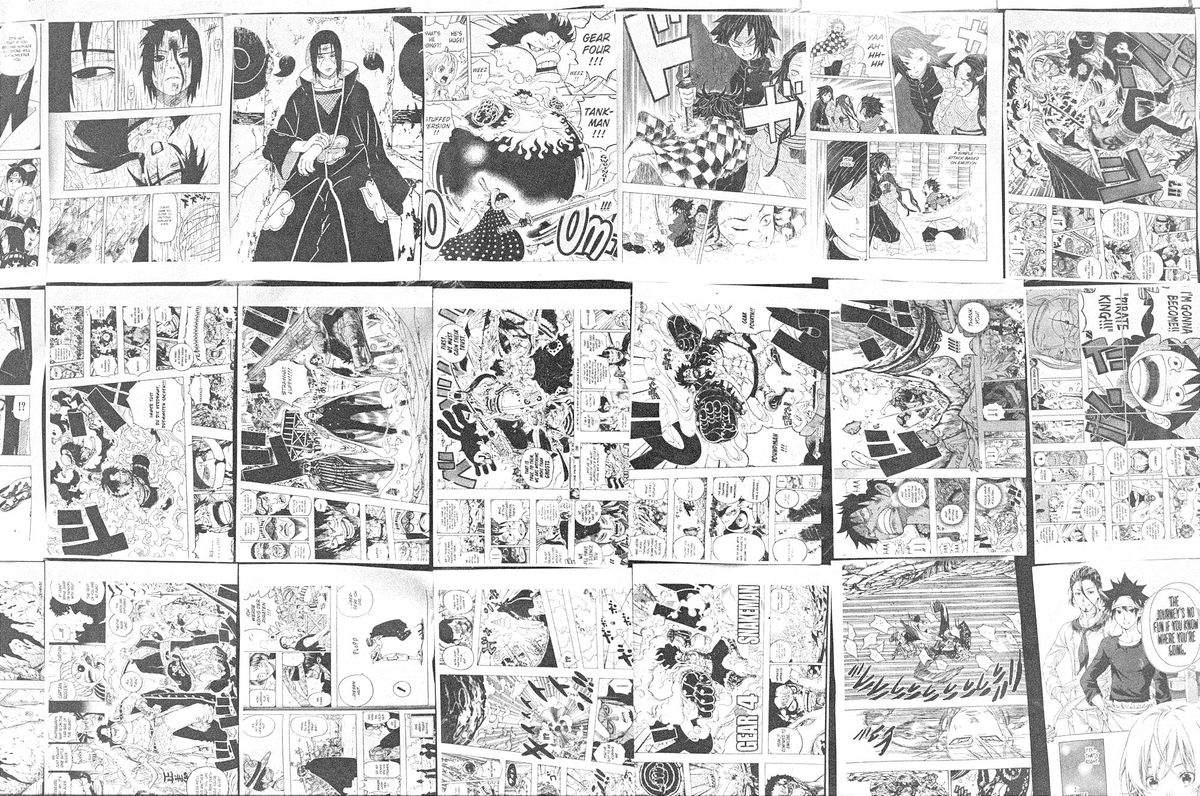
Before school, I remember noisy mornings with my siblings and the chaotic clatter of getting out the door. We read cereal boxes when nothing better was nearby, but better yet were comic books. The rumpled pages of well-loved Richie Rich, Casper, Kimba, Archie, and Scrooge McDuck filled the morning space before Speed Racer came on television.
While I loved chapter books and had read our World Book Encyclopedias cover to cover, comic books filled a different need. They lived in the place where deeper concentration was not available to me. I perched them on the counter while brushing my teeth, read them in the car while my parents smoked with the windows closed and in the dentist’s waiting room when no Highlights magazine was nearby. After a hard day at school, exhausted from playground games of football or tag, when I needed something to hold me until my nervous system settled, comic books filled the moments after my Oreo cookie snack.
Tablets, phones, and apps are not adequate replacement
Tablets, phones, and apps do not fill the same need. A tablet is not a comic book replacement because it is not a bounded reading object; it is a portal. A child may pick it up intending to read, only to have a notification arrive <ding> that more lives have reset in last night’s game. The spell breaks, and without much conscious thought, the child leaves the book page and returns to play the game. A comic book could survive household noise, while a tablet instead brings new noise with it.
School Reward Systems
Most schools now have some sort of reading reward system. This isn’t to track assigned reading, but to keep a report and give points on free reading at home, converting the private act of choosing and reading a book into something reportable.
Pizza points. Book logs. Reading reports. Quizzes. Badges. Charts.

The stated goals are usually benign. Schools want children to read more. Teachers want evidence that reading is happening, and parents want encouragement. A miniature pizza coupon seems harmless enough.
Once free reading becomes evidence-producing behavior, though, reading changes. The child is no longer only inside the book, but also inside a reporting system. And with this school-based reporting system comes risk.
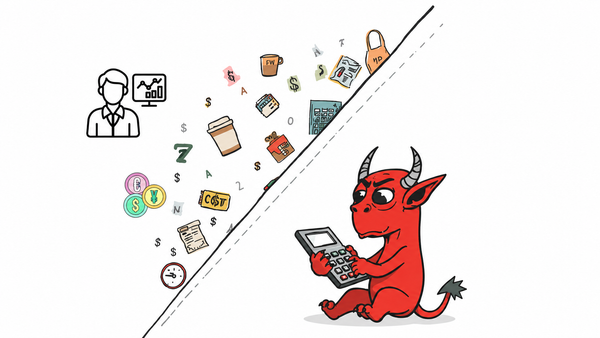
The Demon Denominator
First, there is the wrong-denominator problem.
I call this the Demon Denominator: the mistake of measuring a system or outcome against a unit smaller than the real human task. In school reading programs, the measured unit is often books logged, quizzes passed, points earned, or pages completed.
The better denominator is whether a child maintains a durable, voluntary relationship with books. This supports a lifetime love for reading. It's the habit that lasts.
A child who loves reading can read widely, strangely, deeply, lightly, repeatedly, and for reasons no adult can fully see. A child who learns to produce reading evidence as their primary goal may become very good at satisfying the school’s metric while at the same time unfortunately losing contact with the private pleasure that made reading worth doing in the first place.
The school system thinks it is measuring literacy. Sometimes it is only measuring compliance with a literacy-shaped task, fitting children into narrower and narrower hallways of thought.
The Privacy Problem
Reading reports also expose the child’s interior life to adult interpretation.
A favorite book is not a neutral data point. It can reveal aspiration, temperament, fear, ambition, identification, loneliness, rebellion, hunger, or the first outline of a future self. When a child tells an adult which book she loves, she may be revealing more than a title. She may be showing where her imagination has found shelter or power.
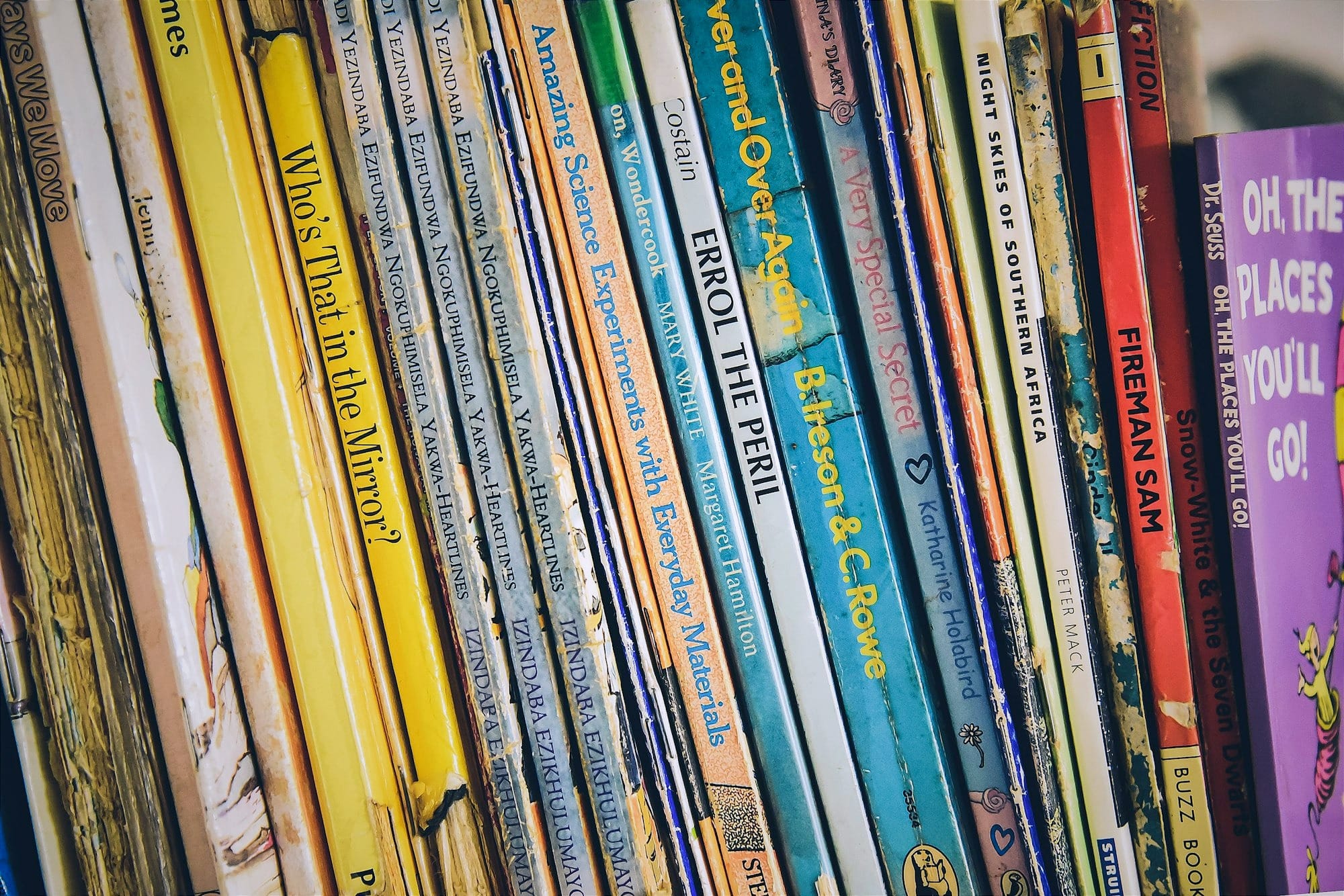
My daughter’s favorite book in elementary school was The Girl Who Owned a City. Even now, as an adult, she is deeply engaged in civic life and social issues. That childhood favorite was not random. It was a subconscious map for agency, public consequence, and the possibility that a girl could govern something real.
For one of my sons, The Toothpaste Millionaire served a similar function. Of course it did. It offered entrepreneurial imagination at child scale: invention, value, pricing, independence, the possibility that a young person could make something useful and win. He was and is even now an entrepreneur. Later, Huckleberry Finn became a favorite. Not Tom Sawyer. Huck Finn: moral independence, movement, escape, refusal of easy civilization.
These were not just books they liked. They were rehearsal spaces for who they each have become as adults.
The unfortunate responses, when they shared some of these free-reading choices in school, were adult correction and mockery. A teacher told my daughter, with a sneer, “You know, don’t you, that girls can’t actually own cities?” Another teacher scoffed as she told my son, “Toothpaste can’t make you a millionaire in this small town, you get that, right?”
Those comments were not literary instruction. They were small acts of vandalism.
Adult mockery can trample the forming self.
This is part of what makes reported free reading so delicate. Once a child’s private reading becomes visible to the school, it also becomes available for adult judgment. A teacher may respond well. A teacher may also respond with contempt, politics, condescension, social class assumptions, gender assumptions, or a desire to pull the child’s imagination back into something smaller and more manageable.
A book report can become a window into the family, too. A child’s reading may suggest what is discussed at home, what values are admired, what dreams are encouraged, what political or moral atmosphere surrounds the child. The child may not understand how much is being revealed. The adult may not handle that revelation with care.
Free reading should leave children some room to explore without feeling that even their inner thought life is being tracked, reported, scored, corrected, or scorned.
What we lose when free reading goes away
Children need books that belong to them before they belong to the school record.
They need books they can read badly, secretly, repeatedly, joyfully, defensively, and aspirationally. Books they can outgrow and return to. Books that help them become calm after chaos. Comic books that do not make adults conclude they are reading beneath their ability. Books that let them imagine owning a city, building a business, escaping down a river, or simply surviving breakfast.
Not every act of reading should have to report itself.
Some books are not evidence for adults to scrutinize. They are shelter.
Some are rehearsal, the first small draft of a self the child has not yet learned to defend.
— Madonna Demir, founder of Convivial Systems Theory and author of Systems & Soul
 Madonna Demir